Introduction
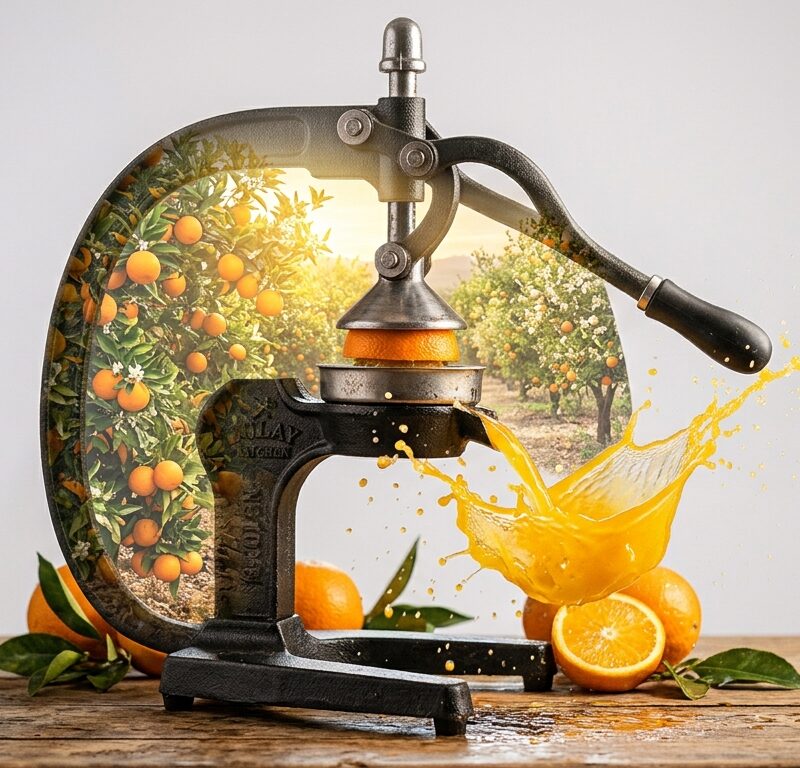
Fresh citrus juice has a noticeably different taste than anything from a carton, but getting it out of an orange or lemon efficiently, without ending up with seeds and pulp everywhere, is where a lot of manual juicers fall short. The Zulay Kitchen Cast Iron Juicer is built around solving that specific problem with a heavy-duty press design and detachable strainers meant to make both juicing and cleanup more manageable. This article goes through what this juicer actually offers, how it tends to get used in everyday kitchens and bars, who it’s probably worth buying for, and a handful of practical points worth knowing before it earns a permanent spot on your counter.
As with the other product breakdowns in this series, this isn’t about declaring it the single best manual juicer on the market — it’s about laying out exactly what it does so you can weigh it against your own juicing habits and kitchen needs.
Key Features
Cast iron construction. Rather than a lighter plastic or aluminum build, this juicer uses cast iron, generally valued for its durability and the amount of leverage and pressing force it can apply compared to lighter materials.
Manual press mechanism. Rather than an electric motor, this juicer relies on manual lever pressure to extract juice, giving the user direct control over how much force is applied during pressing.
Detachable strainers. The juicer includes strainers that can be removed for cleaning, generally intended to simplify the process of clearing out pulp and seeds after use compared to a fixed, non-removable strainer design.
Heavy-duty build for citrus fruits. The product is specifically positioned around citrus juicing, generally suited to fruits like oranges, lemons, and limes rather than being designed for other types of produce like leafy greens or harder vegetables.
Bartender-oriented positioning. The product description specifically references bartenders as a target audience, suggesting this juicer is commonly used for fresh citrus juice in cocktails and mixed drinks, in addition to general kitchen use.
How It Can Be Used
The most straightforward use case is juicing citrus fruits like oranges, lemons, and limes for fresh juice, whether that’s for drinking on its own, using in recipes, or as an ingredient in cocktails and other mixed drinks.
Because it relies on a manual press mechanism rather than an electric motor, this juicer is commonly used by those who prefer direct, hands-on control over the juicing process, applying pressure through the lever to extract juice from a halved piece of citrus.
The detachable strainers are generally used to catch seeds and larger pieces of pulp during pressing, and because they can be removed, cleanup typically involves detaching and rinsing the strainer separately rather than trying to clean pulp and seeds out of a fixed component.
Given its specific bartender-oriented positioning, this juicer is commonly used in home bar setups or by those who make cocktails requiring fresh citrus juice, such as margaritas, whiskey sours, or other drinks where fresh-squeezed juice makes a noticeable difference compared to bottled alternatives.
Beyond cocktails specifically, this type of juicer is also commonly used for everyday kitchen tasks like making fresh lemonade, adding fresh lime juice to cooking, or generally incorporating fresh citrus juice into recipes without needing a larger electric juicing appliance.
Who It May Be Suitable For
Home bartenders and cocktail enthusiasts. Given its specific positioning toward bartenders, this juicer particularly suits those who regularly make cocktails requiring fresh citrus juice as part of their home bar setup.
Those who prioritize fresh juice over bottled alternatives. Anyone who has noticed the flavor difference between fresh-squeezed and bottled citrus juice may find a dedicated manual juicer worthwhile for regularly incorporating fresh juice into drinks and recipes.
People who prefer manual, hands-on kitchen tools over electric appliances. Since this juicer relies entirely on manual pressing rather than a motor, it may particularly appeal to those who prefer simpler, non-electric tools for smaller-scale kitchen tasks.
Anyone wanting an easier cleanup process for citrus juicing. The detachable strainer design suits those who have found cleanup frustrating with more basic manual juicers lacking removable components.
Those with a preference for durable, heavy-duty kitchen tools. The cast iron construction may appeal to buyers specifically looking for a juicer built to last, compared to lighter, less substantial alternatives that may wear out more quickly with regular use.
Those needing to juice larger quantities of citrus regularly, such as for commercial use or very frequent large-batch juicing, may find an electric citrus juicer better suited to that kind of higher-volume need, since manual juicers generally require more time and physical effort per piece of fruit.
Important Things to Consider
Manual effort required for each piece of fruit. Since this juicer relies entirely on manual pressing, it requires more physical effort compared to an electric juicer, which is worth considering for those planning to juice larger quantities regularly.
Weight of cast iron construction. While durability is a benefit, cast iron is considerably heavier than plastic or aluminum alternatives, which is worth factoring in for storage and general handling, particularly if the juicer will be moved frequently rather than staying in one fixed spot.
Designed specifically for citrus fruits. This juicer is built around citrus juicing specifically, so those wanting to juice other types of produce, like leafy greens, carrots, or other harder vegetables, would need a different type of juicing appliance entirely.
Counter space for a fixed, mounted-style juicer. Depending on the specific design, heavy-duty manual citrus juicers like this one may benefit from being mounted or securely placed during use given the leverage involved in pressing, which is worth considering relative to available counter space.
Cast iron maintenance to prevent rust. Cast iron cookware and tools generally require some care to prevent rust, such as ensuring the juicer is thoroughly dried after cleaning and possibly maintaining a light coating of oil on exposed cast iron surfaces depending on the specific finish.
Detachable strainer care. While detachable strainers simplify cleanup, it’s still worth regularly cleaning them thoroughly to prevent residue buildup, particularly given the acidic nature of citrus juice and pulp.
Comparison of General Categories
Heavy-duty manual citrus press juicers, the category this Zulay product belongs to, generally offer strong pressing leverage and durability, suited to those wanting a hands-on, non-electric approach to juicing citrus fruits specifically.
Basic handheld citrus reamers offer a simpler, lower-cost, non-mechanical alternative, generally requiring more manual twisting effort and providing less leverage compared to a lever-based press juicer.
Electric citrus juicers automate the pressing process, generally better suited to higher-volume juicing needs, though at a higher cost and requiring an electrical outlet compared to a fully manual option.
Full-size electric juicers (built for a wider range of produce beyond citrus) offer broader versatility for juicing fruits and vegetables generally, though typically at a higher price point and larger footprint than a dedicated citrus press.
Cold-press or masticating juicers use a different extraction method intended to preserve more nutrients and produce less foam, generally suited to those specifically interested in juicing a wide variety of produce beyond citrus, at a considerably higher price point.
The right category generally depends on how much citrus juice is needed regularly, whether a manual or electric approach is preferred, and whether juicing needs are limited to citrus specifically or extend to a broader range of fruits and vegetables.
Frequently Asked Questions
What types of fruit is this juicer designed for? It’s specifically built for citrus fruits like oranges, lemons, and limes, rather than being designed for other types of produce like leafy greens or harder vegetables.
Does this juicer require electricity to operate? No, it’s a fully manual press juicer, relying on lever pressure applied by hand rather than an electric motor.
How does the detachable strainer help with cleanup? Because the strainer can be removed from the main juicer body, cleaning pulp and seeds is generally more straightforward compared to trying to clean a fixed, non-removable strainer component.
Is this juicer heavy? Yes, given its cast iron construction, it’s considerably heavier than plastic or aluminum alternatives, which contributes to its durability and pressing leverage but is worth considering for storage and handling.
Is this a good option for making cocktails? Yes, it’s specifically positioned toward bartenders and those making cocktails requiring fresh citrus juice, such as margaritas or whiskey sours, in addition to general kitchen use.
Does cast iron require special care to prevent rust? Yes, like most cast iron kitchen tools, it generally benefits from being thoroughly dried after cleaning and potentially maintaining a light protective coating, depending on the specific finish, to help prevent rust over time.
Can this juicer handle high-volume juicing needs? Since it’s a manual juicer, it generally requires more time and physical effort per piece of fruit compared to an electric juicer, making it less ideal for very high-volume or commercial-scale juicing needs.
Conclusion
The Zulay Kitchen Cast Iron Juicer combines a heavy-duty manual press mechanism with detachable strainers, aimed at making fresh citrus juicing more efficient and easier to clean up afterward. Its cast iron construction and bartender-oriented positioning suggest a tool built for both regular kitchen use and home cocktail-making involving fresh citrus juice.
Whether this specific juicer fits your needs depends on how often you’re juicing citrus fruits, whether you prefer a manual, hands-on approach over an electric juicer, and how much you value durability and pressing leverage from a cast iron build. For those wanting a dedicated, easy-to-clean manual citrus juicer for everyday kitchen use or home bartending, this juicer offers a fairly focused set of features built around that specific task.